


VRenovate
A closer look at the work, thinking and digital experience behind this project.
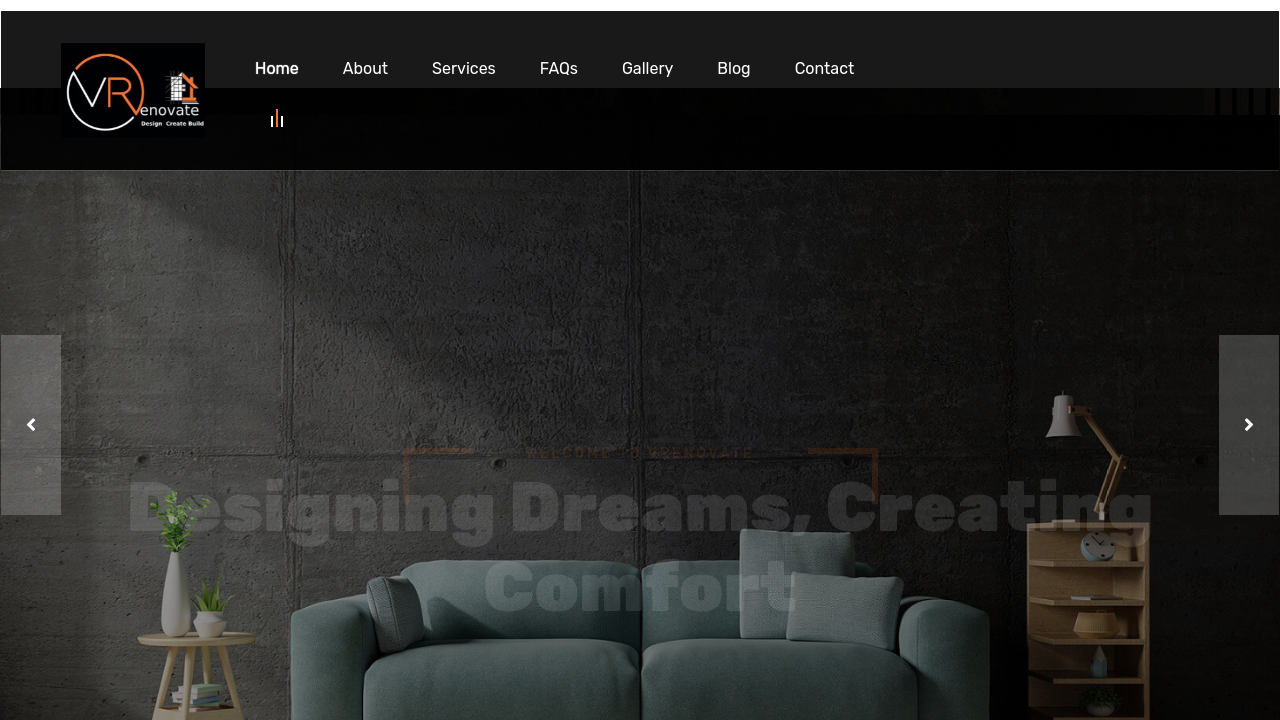
VRenovate Limited provides interior design and renovation services for residential and business spaces.
We designed its website to connect a visual introduction with clear service routes, helping prospective clients explore the offering and begin a conversation about their own space.
We connected the idea of a better space with a practical first conversation.
“We could do something with this space.” That is often how a renovation idea begins. A homeowner imagines a different kitchen. A business owner sees an office that could work better. The picture starts to form before the full brief does.
We designed VRenovate’s website to help that early idea develop. We gave the visual introduction room to create interest, organised the services so visitors could explore a relevant direction and connected the experience with contact. We wanted someone to move from imagining a change to knowing where to start talking about it.
The visitor had a vision. We needed to help them explore it.
A person considering a renovation may know what feels wrong with their space without knowing exactly what they need. They might be thinking about how a room looks, how it works or how to bring several changes together.
We needed the website to meet that visitor at the beginning of the decision. The first impression had to reflect a design-led business. The information that followed needed to explain the offer well enough for someone to recognise a relevant service.
We also had to give the different types of work a clear place. A residential enquiry and a hospitality project begin with different needs. We wanted visitors to find a direction without asking the opening page to explain every possibility at once.
That became our design challenge: connect the appeal of the space with the practical exploration of a service. We gave the introduction, service information and contact routes complementary roles, so the visit could build towards a conversation about the person’s own plans.
“Could you help us change this space?”
We used that question to guide the journey. We connected VRenovate’s visual introduction with service information and contact, giving an early idea a useful place to develop.
We wanted inspiration to lead somewhere useful.
We focused on three steps: create interest in the business, help someone identify the relevant service and make contact easy to find. Each step needed to support the next. The visual experience could open the visit; the service explanation needed to help it progress.
We also wanted the website to accommodate an idea that was still taking shape. Someone should be able to explore the offering before they have a finished project brief, then begin discussing the space they want to change.
Create a relevant first impression
We gave the design and imagery room to introduce the business. We wanted the opening experience to reflect the kind of service a visitor was exploring.
Help visitors find their direction
We organised the service routes around different types of interiors. Someone considering a home, workplace or hospitality space can look for a relevant starting point.
Make the idea easier to discuss
We connected the exploration with visible contact routes. A visitor does not need every detail settled before beginning a conversation about their own plans.
We brought the visual story, services and contact into one journey.
We started with the visual introduction. For a business centred on spaces, the website needs room to communicate a sense of design. We gave imagery and the company introduction a role in helping visitors picture what they wanted to explore.
We then organised the service routes around residential, commercial and hospitality interiors, with bespoke furniture also represented in the navigation. Those categories give different visitors recognisable starting points. Individual pages provide more room for the explanation after someone chooses a direction.
Finally, we connected that exploration with contact. A renovation begins with the client’s own space, priorities and questions. We included a contact page and visible contact details so the website could support the first discussion about those requirements.
01 — We gave the visual story a role
We brought imagery and the company introduction into the opening experience. The design gives visitors a place to begin imagining the possibilities for their space.
02 — We organised the services
We gave residential, commercial and hospitality interiors distinct routes. That structure helps a visitor move from general interest into a more relevant explanation.
03 — We connected exploration with contact
We included a contact page and accessible contact details. Someone who has explored the offer has a place to take their questions about a potential project.
We gave visitors room to imagine—and information to explore.
We gave the experience a visual layer and an information layer. The opening design introduces the business. Service pages help someone explore an area of interest. The gallery gives visual content its own destination within the navigation.
We also made company information and contact routes accessible. Visitors can learn about the business and find a way to discuss their plans when they are ready. We wanted the experience to remain useful after the first image caught their attention.
Services with recognisable starting points
We gave different types of design work their own routes. Visitors can identify the area that relates to the space they are considering.
A destination for visual exploration
We included the gallery within the navigation. Visual content has a place alongside the written explanation of the business and its services.
A place to begin the discussion
We brought the enquiry route into the experience through the contact page. The visitor can move towards a conversation about their own ideas and requirements.
We gave VRenovate’s offer a connected digital home.
We delivered a website that brings VRenovate’s introduction, interior-design services, visual content and contact information together. A visitor can begin with the overall impression and follow the part of the offering that relates to their space.
The outcome is the journey we built. The visual experience creates a starting point. The service structure gives that interest a direction. The contact page provides a way to continue the discussion around the visitor’s own renovation or design plans.
The business had a connected introduction
We delivered one digital home for introducing VRenovate and exploring its offering. The first impression has a place to lead.
Interest had a useful direction
We connected the visual experience with service information. A visitor can follow a relevant area before deciding what they want to discuss.
The idea had somewhere to go
We paired the offering with a route to contact. The finished journey supports a first conversation about the visitor’s own space and plans.
A renovation website should help the visitor see a way forward.
For us, this project came down to helping an idea become easier to discuss. People can be excited about changing a space while still working out what that change involves. We wanted the website to make room for that stage of the decision.
We connected the visual introduction with service explanation and a route to contact. That gave the design a practical purpose: help someone explore the business and identify where their own plans might fit.
The lesson is straightforward. A renovation website should keep helping after it creates a good first impression. Give visitors a way to explore the services, understand the business and begin explaining what they have in mind.
That is what we focused on for VRenovate. We brought its design-led offering into a connected digital experience, giving prospective clients a place to explore and a way to start the conversation. Because the first step towards changing a space can be finding the right place to talk about the idea.