


MBKasmas Logistics
A closer look at the work, thinking and digital experience behind this project.
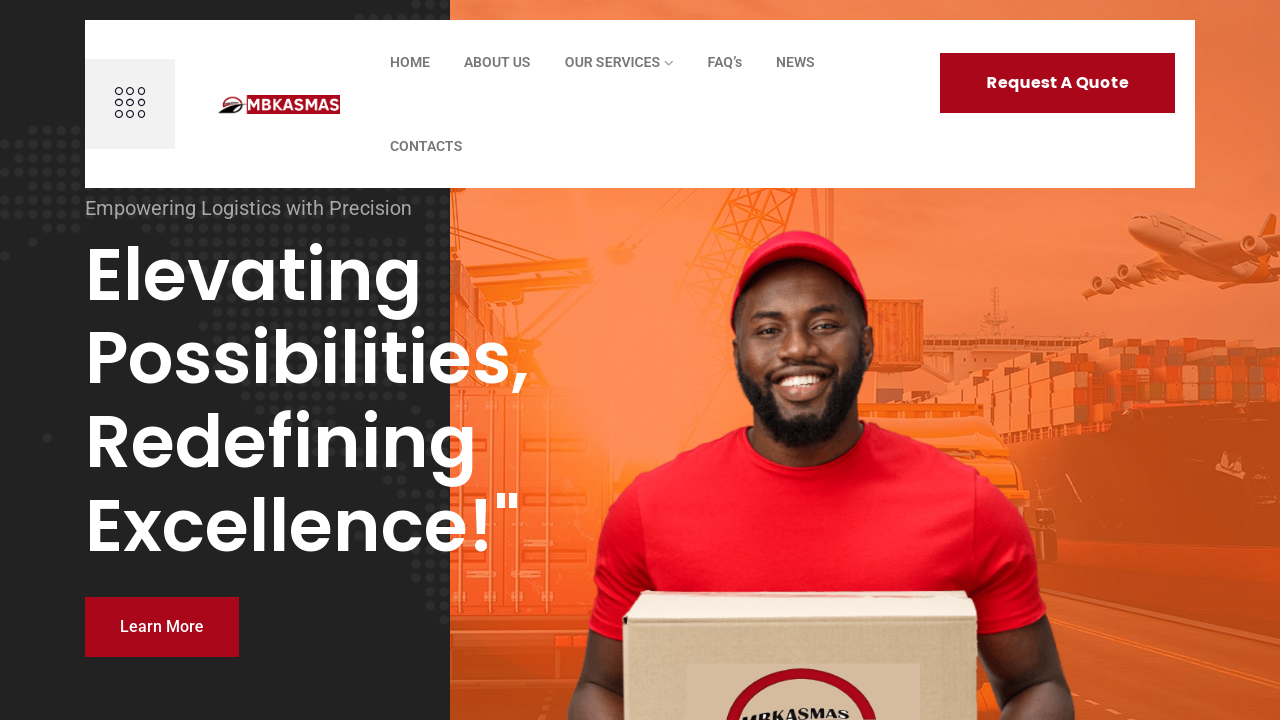
MBKasmas Logistics provides freight, customs brokerage and warehousing services, with a business presence in Kenya and the Democratic Republic of the Congo.
We designed its website to introduce the company, organise its service offering and give prospective customers a way to discuss the movement and support their shipment requires.
We gave a shipment enquiry a clearer starting point.
“We need to move these goods.” It sounds simple until the next questions arrive. Which kind of freight should we ask about? Do we also need storage? Who do we speak to about the parts of the journey we have not arranged yet?
We approached MBKasmas’s website with that broader conversation in mind. We wanted visitors to understand the range of services before trying to compress their requirement into one short enquiry.
This is how we connected the company introduction, freight information and contact routes around the journey a customer was trying to plan.
The customer is planning a journey, not just choosing a vehicle.
The challenge was to make a broad logistics offer understandable at the point of first contact. A visitor might arrive thinking about a transport mode while another is looking for help with customs or storage.
We needed the website to welcome those different starting points. The service names had to be easy to recognise, and the explanation needed to show that the conversation could extend beyond the movement itself.
We treated this as an information task as much as a visual one. A strong opening message can introduce the brand, but the visitor still needs to work out which part of the offering relates to their goods.
We gave those questions a structure. Explore a service, learn more about the company and find a way to speak with the team. We wanted the website to support a more grounded first conversation.
“What support does this shipment need?”
We gave visitors ways to explore freight, customs brokerage and warehousing before discussing the combination of services relevant to their goods.
We wanted the services to make sense as parts of one journey.
We focused the project on three jobs: introduce the logistics range, give individual services room for explanation and make the business approachable. We wanted visitors to know what they could investigate and where to take their questions.
That meant keeping the transport modes connected with the supporting services. Someone may arrive with one part of the requirement in mind and discover they need to discuss the wider journey too.
Make the service range recognisable
We gave the main logistics areas clear starting points, helping visitors begin with the part of the requirement they already understand.
Explain the supporting needs
We made room for customs and warehousing alongside freight, so the offering extends beyond a transport label.
Connect the visitor with the business
We included company information and regional contact routes, helping prospective customers decide how to approach the team.
We connected freight choices with the support around them.
We started with recognisable service routes. The website gives freight modes their own place in the offering, while customs brokerage and warehousing are presented as services to explore in their own right.
We then gave the service pages room to develop the explanation. A visitor can move beyond the headline and investigate the area that interests them. The overview helps someone find a subject; the fuller page gives them a place to spend more time.
We also included company and team information. A customer is considering the people they will approach as well as the service label. We gave that introduction a place in the website.
Finally, we connected the information with regional contact details. The contact page distinguishes the Kenya and DRC offices, giving visitors a practical destination for their next question. We wanted the website to help a customer begin a conversation about their own shipment.
01 — We organised the service routes
We gave freight modes and supporting services their own destinations, making the range easier to investigate.
02 — We introduced the people behind the offer
We made room for company and team information as part of the visitor’s investigation.
03 — We made regional contacts accessible
We gave the Kenya and DRC office details a place on the contact page, providing a practical route into conversation.
We made the wider logistics offering easier to explore.
We gave the main features clear roles. Service navigation introduces the options. Individual pages explain an area in more detail. Company information introduces the business behind the offer, and the contact page helps the visitor continue.
We kept the emphasis on a useful enquiry. A visitor can investigate freight, storage or customs support and then discuss how those needs relate to their own goods.
Individual service explanations
We gave the logistics areas space beyond the overview, allowing visitors to investigate a relevant subject.
A company and team introduction
We included information about the business behind the services, giving prospective customers more context before contact.
Regional office information
We distinguished the office contacts on the contact page, helping visitors find a way to continue their enquiry.
The business had a clearer introduction before the first call.
We delivered a website that brings MBKasmas’s business introduction, logistics services and contact routes together. Prospective customers have a place to explore the offering before discussing the requirements of a shipment.
The outcome is the information journey we built. Freight modes have recognisable starting points. Supporting services have space in the story. Regional office details give the visitor somewhere to take the next question.
We focused on making that first approach more informed, with a clearer understanding of the areas the customer wants to discuss.
The range had clearer starting points
We organised the logistics offering so visitors can find an area relevant to the shipment they are planning.
The support stayed in view
We presented freight alongside customs and storage, keeping the wider requirement part of the story.
The first approach had a destination
We paired the information with contact routes, giving visitors a way to discuss their own goods and requirements.
A good logistics conversation starts before the quote.
For us, the important insight was that the shipment is one journey in the customer’s mind, even when it involves several services. The website needed to make those services easy to find without losing that connection.
We brought the freight offering, supporting capabilities and business introduction into a connected experience, then kept the contact route close enough to turn that investigation into a conversation.
The lesson is that clarity starts before pricing. A customer first needs to recognise the service, understand the business and decide what information to bring to the discussion.
That is what we focused on for MBKasmas. We gave visitors a way to explore the parts of the logistics offering and a practical route to the team. The aim was to help turn “we need to move something” into a more useful conversation about the journey involved.