


Deka Kraft
A closer look at the work, thinking and digital experience behind this project.
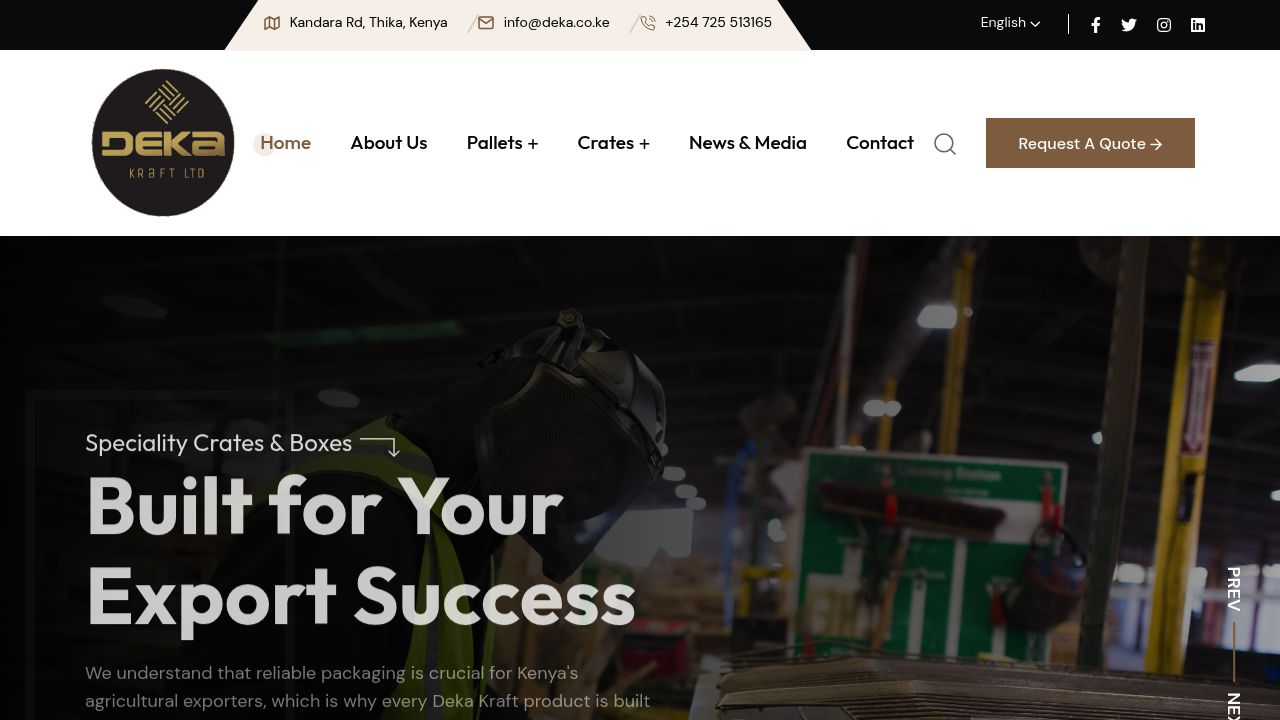
Deka Kraft Limited manufactures wooden pallets, crates and packaging for transport and agricultural export requirements.
We designed its website to introduce the product range, explain the manufacturing approach and help prospective buyers begin a more informed discussion about their packaging needs.
We built the story around the shipment behind the pallet.
When someone looks for a pallet supplier, there is usually a shipment behind the search. Something needs to be packed, handled and moved. The buyer wants to know whether the supplier understands that job before discussing an order.
We designed Deka Kraft’s website with that conversation in mind. We brought the wooden packaging range, product information and manufacturing process into one experience. We wanted the first visit to help someone move from recognising a product to understanding what they needed to ask about it.
The buyer needed to understand how the packaging fitted the job.
Picture a buyer preparing an enquiry for a shipment. A product photograph helps them recognise an option. They still need to think about its intended use, the information available and the requirements they will need to discuss with the manufacturer.
We needed to give that decision some structure. Deka Kraft’s offer includes several types of pallets and crates. We wanted visitors to see a useful route through the range, then find enough explanation to investigate a relevant option.
There was a second part to the story: how does the work happen? A buyer considering custom packaging also needs context for the supplier’s process. We gave the manufacturing sequence a visible role alongside the products.
We approached the website as a bridge into a specification discussion. We wanted the design to help someone understand the offering and the questions it raised. That meant giving the information a clear order, from the company introduction through to the detail and contact options.
“Can you make packaging for this job?”
We used that question to guide the information journey. We connected Deka Kraft’s range with product explanation and process, giving a prospective buyer more context for discussing a requirement.
We wanted the website to help a buyer prepare a useful enquiry.
We focused the work on three steps: identify a relevant product, understand the information behind it and begin a conversation about requirements. That gave the design a practical purpose at each stage of the visit.
We also wanted to explain the business behind the range. Product detail helps with the immediate question. The company introduction and working process give the buyer context for the supplier they are considering. We brought both into the experience.
Help buyers recognise a relevant option
We brought the product range into the introduction. Visitors can begin with a category that relates to what they are looking for, then investigate further.
Give the detail room to explain
We gave individual products space for features, applications and technical information. That supports the buyer who needs to look beyond the opening description.
Prepare the next conversation
We connected the offering with the working process and contact information. We wanted an enquiry to begin with a clearer understanding of the business.
We connected the product range with detail and process.
We started by making the range easier to recognise. We presented product categories such as air pallets, sea pallets and produce crates within the broader wooden packaging offer. This gave visitors specific options to explore after the company introduction.
We then gave product pages room for explanation. The air-pallet page, for example, brings together intended applications, features and technical information. We used that structure to support a buyer who wants to look further before asking which option fits their own requirements.
Finally, we introduced the working process and connected it with contact routes. The sequence moves from design and specification through preparation, assembly and delivery. We wanted someone considering a custom requirement to understand how a conversation could develop into a defined job.
01 — We organised the product range
We presented different pallet and crate options as recognisable parts of the offer. This gives someone a starting point for exploring the range.
02 — We opened up the product detail
We used dedicated pages to give the explanation more room. Buyers can explore an option before discussing the needs of their own shipment.
03 — We explained the working process
We brought the stages from specification to delivery into the website story. This gives buyers context for how a requirement is discussed and developed.
We gave buyers a way to look beyond the product name.
We gave the main parts of the website different jobs. The range introduces the available options. Individual product pages add detail. The process section explains the stages behind the work. Together, they give a prospective buyer more to consider before making contact.
We also kept the next conversation within reach through the company’s contact information. Packaging requirements can need discussion, so we wanted the website to support that discussion with useful context.
Product categories that give direction
We gave the range a visible structure. Someone interested in a particular kind of packaging can identify an option and continue into its information.
Detail for a considered enquiry
We gave product pages room to cover applications and technical information. The air-pallet page shows how the format can support a closer look at an option.
A process buyers can follow
We presented the working sequence alongside the offer. It helps a visitor understand the stages behind the product before opening a discussion.
We gave Deka Kraft’s manufacturing offer a clear digital structure.
We delivered a website that brings Deka Kraft’s introduction, packaging range, product detail and working process together. A visitor can discover the manufacturer and follow a relevant option into a fuller explanation.
The outcome is the buying journey we built. The product range gives the visit a direction. The detail gives the buyer more to consider. The process and contact information provide a starting point for discussing a specific requirement with the team.
The range had a clear introduction
We delivered a digital home for presenting the manufacturer and its packaging options. Product discovery has a useful place to begin.
The information supported investigation
We connected the range with fuller product explanation. Buyers have more context to consider before discussing a specific requirement.
The enquiry had a practical starting point
We brought product, process and contact information together. The finished structure supports a conversation about what the buyer needs to pack and move.
Useful detail helps a buyer take the next step.
For us, the useful question throughout this project was: what would help a buyer have a better first conversation? That question kept the design connected to the purpose of the business.
We brought the range into view, gave the product information room to explain and showed the stages behind the manufacturing work. Each choice helped connect the first impression with the practical discussion that could follow.
The lesson is simple: a manufacturing website earns its place by helping people investigate. Show what you make, explain where to look for detail and help someone understand what to discuss next. The information needs to keep working after the visitor notices the product.
That is what we focused on for Deka Kraft. We gave its wooden packaging offer a digital structure built around discovery, explanation and enquiry. We wanted a prospective buyer to leave with a clearer understanding of the business and a more useful starting point for the next conversation.